
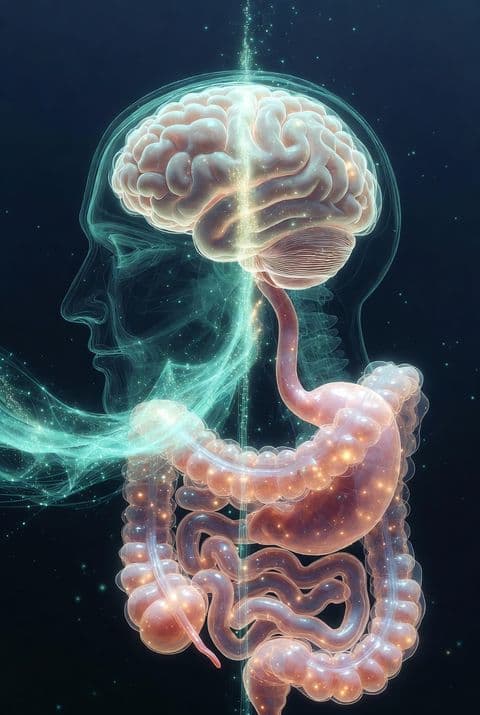
The Second Brain: The Connection Between Gut Microbiota and Mental Health
In the last two decades, findings in the fields of molecular biology and neurogastroenterology have led to fundamental shifts in traditional paradigm…
5 min read
Read more
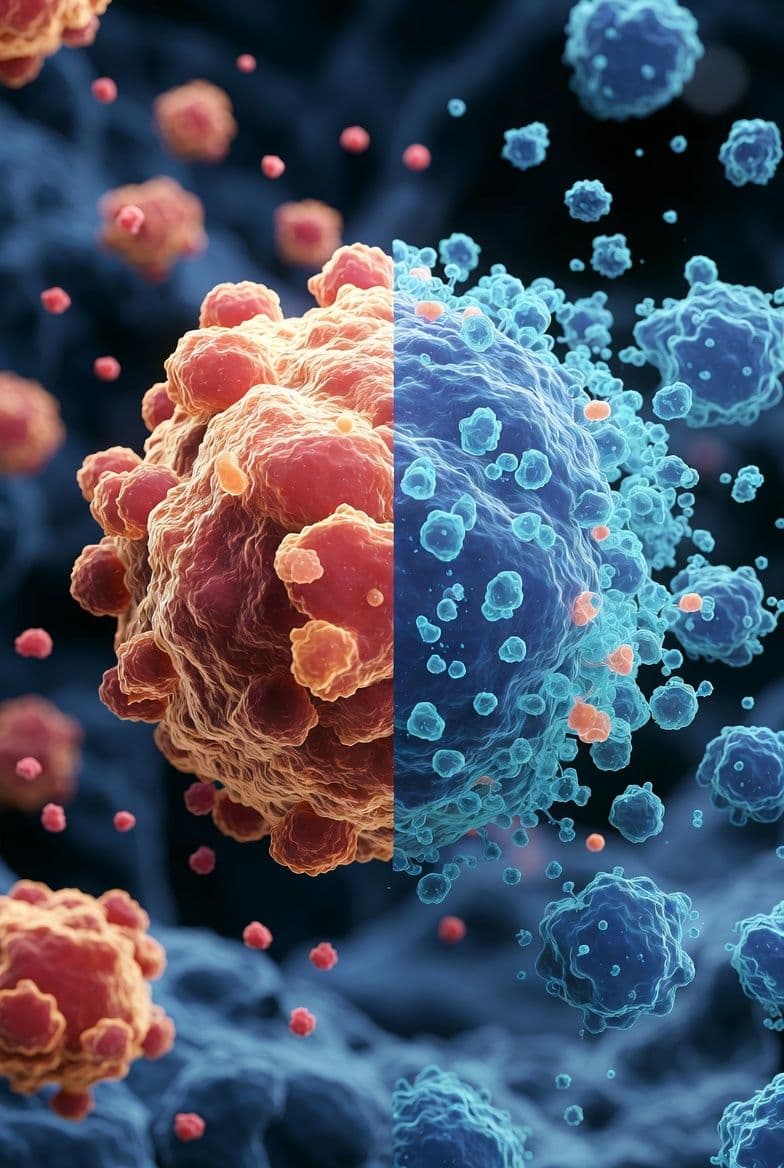
The acute inflammatory response developed by the immune system against tissue damage, pathogen invasion, or toxic stimuli is a vital physiological defense mechanism to maintain the organism's homeostasis. This acute process, characterized by vasodilation, increased vascular permeability, and leukocyte migration, is physiologically terminated once the damaging agent is removed and tissue repair begins. However, when this cellular response cannot achieve resolution due to the inability to eliminate the triggering factor, dysfunction of defense mechanisms, or persistent environmental factors, the process becomes chronic. In contemporary medical literature, this clinical picture is defined as "systemic chronic sterile inflammation" (SCCI) or chronic low-grade systemic inflammation, functioning as a silent epidemic that internally ravages the organism without presenting clinically overt acute local symptoms.
In the pathophysiology of chronic inflammation, continuous stimulation of immune cells leads to the uncontrolled and persistent release of pro-inflammatory cytokines, primarily from macrophages and T-lymphocytes. In particular, the continuously elevated basal circulating levels of cytokines such as tumor necrosis factor-alpha (TNF-α), interleukin-1 beta (IL-1β), and interleukin-6 (IL-6) create a systemic stress load extending from endothelial tissue to vascular structures. This cellular signaling chaos induces the hepatic synthesis of High-Sensitivity C-Reactive Protein (hs-CRP), an acute-phase reactant. In clinical diagnosis, a persistent hs-CRP level above 3 mg/L, in the absence of an acute infection, is recognized as a major indicator for cardiovascular and metabolic diseases.
The presence of persistent inflammatory mediators disrupts cellular signal transduction pathways, forming the etiology of the most prevalent chronic diseases of the modern era. The mechanism of insulin resistance, which plays a critical role in the development of Type 2 Diabetes, is one of the most concrete examples of this phenomenon. Pro-inflammatory cytokines induce serine phosphorylation of insulin receptor substrate-1 (IRS-1), thereby disrupting the intracellular metabolic signaling pathway of insulin. Consequently, glucose transport into the cell is impeded, hyperglycemia becomes chronic, and metabolic syndrome pathologies deepen.
Similarly, the process of atherosclerosis is a localized chronic inflammatory reaction within the vessel wall. The oxidation of circulating low-density lipoproteins (LDL) beneath the endothelium is perceived as a threat by the immune system, triggering the migration of macrophages to the region. Macrophages that phagocytose oxidized LDL transform into foam cells, paving the way for fibrotic plaque formation in the vascular lumen. In advanced stages, inflammatory enzymes compromise plaque integrity, leading to ruptures and consequently causing acute myocardial infarction or cerebrovaskular events (stroke).
In the clinical course of autoimmune diseases (such as Hashimoto's thyroiditis, rheumatoid arthritis, fibromyalgia) characterized by the immune system losing tolerance against its own antigens, chronic tissue inflammation is both a consequence and a cause that amplifies the disease. Cytokines released as a result of tissue damage continuously stimulate the immune system, trapping autoimmune antibody production and tissue destruction in a vicious cycle. When this persistent state of arousal reaches the nervous system, neurodegenerative processes begin. The polarization of microglia—the resident immune cells in the brain—into the pro-inflammatory phenotype (M1) accelerates neuronal synapse loss, directly modulating the progression of diseases such as Alzheimer's and Parkinson's.
Widespread muscle pain, chronic fatigue syndrome, and anhedonia, which severely lower patients' quality of life clinically, also stem from these neuroinflammatory mediators rendering the nociceptive (pain perception) pathways in the central nervous system hypersensitive. Elevated interleukin levels detected in peripheral blood induce structural modifications in thalamic and cortical pain centers in the brain, lowering the individual's pain threshold and resulting in central sensitization.
In eliminating chronic systemic inflammation, "Anti-Inflammatory Living Protocols" that modify gene expression at the cellular level emerge as a necessity beyond conventional symptomatic pharmacotherapies. Controlling epigenetic factors is of primary importance in suppressing the activation of Nuclear Factor Kappa B (NF-kB), a pro-inflammatory transcription factor. Functional foods and phytochemicals with high polyphenol content come into play at this stage of nutritional pharmacology. Randomized controlled clinical trials have demonstrated that curcumin, a curcuminoid derived from turmeric, and resveratrol, a polyphenolic compound, inhibit NF-kB activation, thereby suppressing pro-inflammatory cytokine synthesis at the transcriptional level.
Increasing the dietary ratio of omega-3 polyunsaturated fatty acids, such as eicosapentaenoic acid (EPA) and docosahexaenoic acid (DHA), alters the phospholipid composition of the cell membrane, depressing the arachidonic acid pathway. This shift allows pro-inflammatory eicosanoids to be replaced by anti-inflammatory resolving mediators (resolvins and protectins). Consequently, the resolution of inflammation is triggered at the cellular level. Myokines secreted from skeletal muscles due to physical activity (such as exercise-induced IL-10 release) and establishing a sleep schedule compliant with circadian rhythms to stabilize cortisol secretion into its physiological rhythm are indispensable clinical parameters for restoring homeostasis.
In conclusion, chronic low-grade inflammation, one of the greatest threats faced by modern medicine, requires a multifaceted holistic approach to diagnosis and treatment. Targeting the molecular pathways that ignite the cellular fire, rather than merely suppressing the symptoms of diseases, is the core vision of preventive medicine. Optimizing cellular health, reducing the inflammatory load, and integrating an anti-inflammatory lifestyle model from the clinic into daily life represents the immutable medical gold standard for a healthy lifespan.
Scientific References and Literature:
You might also like these.