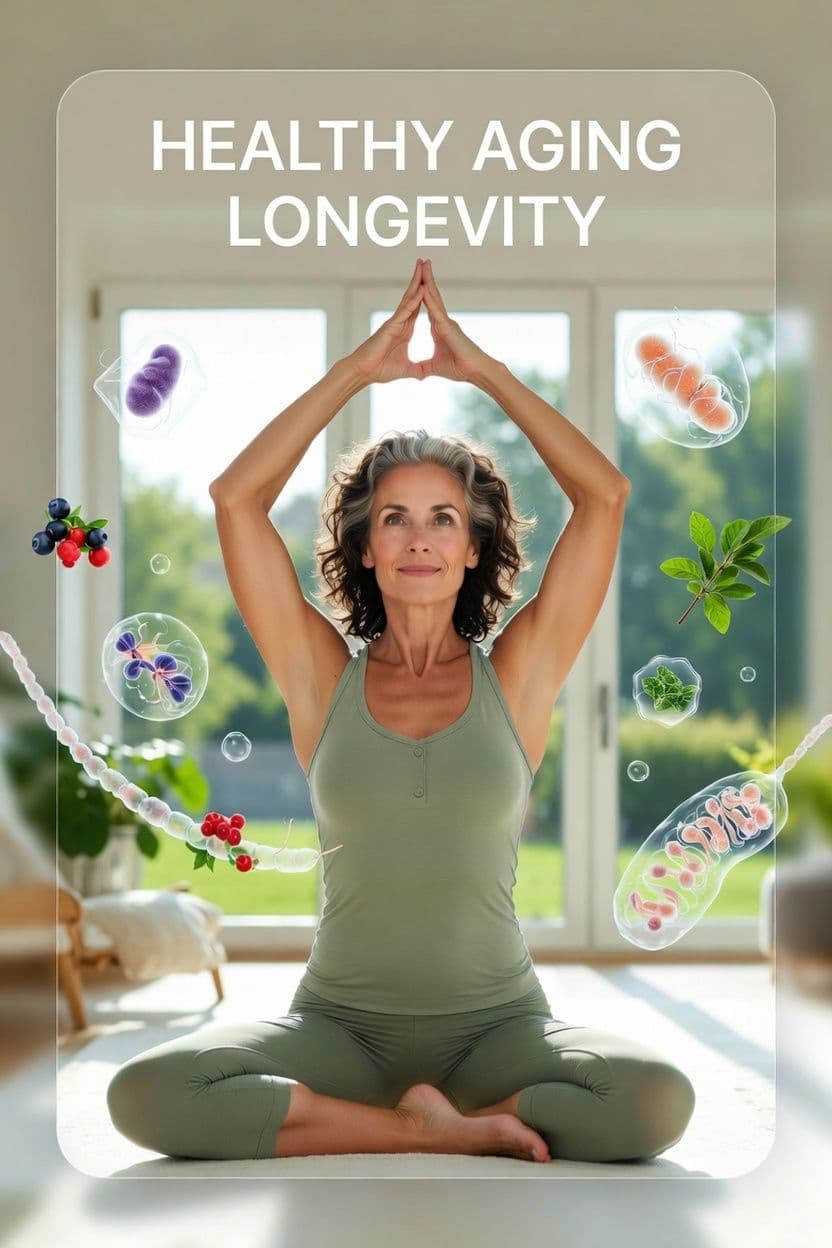
Healthy aging focuses not only on extending lifespan but also on the “healthspan” concept, which ensures that these additional years are lived with quality and functionality. In 2026, longevity science has moved away from outdated anti-aging approaches and now prioritizes functional long life. The World Health Organization (WHO) and various geroscience studies emphasize that a significant portion of chronic diseases are directly linked to aging processes. Therefore, preventive strategies, individual biological age assessment, and personalized interventions are gaining increasing importance.
Today, four main pillars form the foundation of healthy aging: nutrition, physical activity, quality sleep, and stress management. Research shows that these factors directly influence telomere length, mitochondrial function, and epigenetic regulation. Particularly after the age of 50, issues such as muscle loss (sarcopenia) and inflammation become prominent. Resistance training and adequate protein intake can significantly slow these processes. With the rising proportion of elderly population in Türkiye, these topics have become critical in both individual and public health policies.
Sarcopenia and Muscle Health Preservation
Sarcopenia is defined as the progressive loss of muscle mass and strength with age, typically beginning between the ages of 40 and 50. The risk is higher in postmenopausal women due to decreased estrogen levels. Studies conducted as of 2026 demonstrate that individuals who perform resistance exercises at least 2-3 days per week experience a significant reduction in muscle loss. High-quality protein sources (eggs, fish, dairy products, legumes) and collagen support are important elements that aid muscle synthesis.
Inflammation and Metabolic Health
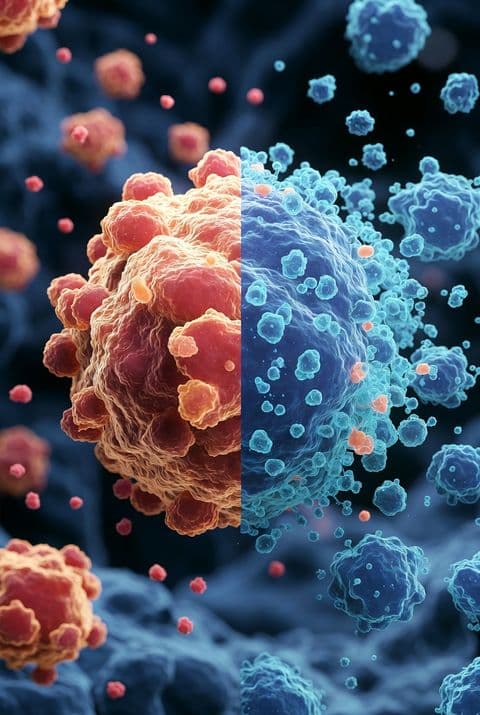
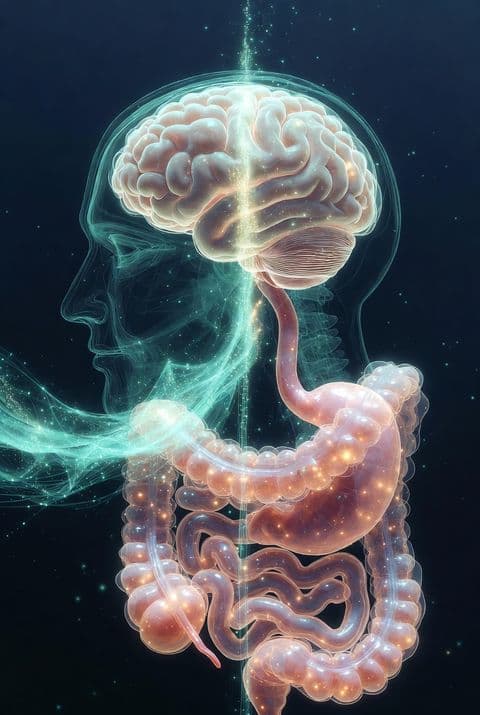
Chronic low-grade inflammation serves as the common ground for many age-related diseases. In 2026 longevity trends, omega-3 fatty acids, polyphenol-rich foods (turmeric, green tea, berries), and optimization of the gut microbiome are at the forefront. Scientific literature indicates that metabolic regulators such as GLP-1 receptor agonists play a role not only in weight control but also in reducing inflammation and cardiovascular risk.
Cognitive Health and Brain Protection Strategies
The fear of cognitive decline is one of the strongest motivations in the pursuit of healthy aging. Aerobic exercise, mental stimulation (learning new skills, reading), quality sleep, and social connections are proven factors that preserve brain plasticity. Thanks to biomarkers such as epigenetic clocks, individuals can monitor their biological age and take early action.
Personalized Approaches and Technology
In 2026, wearable devices, AI-powered analyses, and genetic testing are personalizing healthy aging strategies. By integrating blood biomarkers, sleep quality, and movement data, customized nutrition and exercise protocols can be created. These technologies strengthen the foundation of preventive medicine and reduce the risk of chronic diseases.
Social Connection and Sense of Purpose
Research shows that the negative effects of loneliness on aging are comparable to smoking. Strong social relationships, a sense of purpose, and contribution to society positively affect both mental and physical health. In 2026 trends, the “functional longevity” approach prioritizes independence, mobility, and cognitive clarity over mere appearance.
2026 and Future Outlook
Scientists predict that advancements in geroscience (senolytics, NAD+ precursors, epigenetic reprogramming) can extend healthspan. However, the strongest evidence still comes from lifestyle interventions. Through regular medical check-ups, balanced nutrition, an active lifestyle, and stress management, individuals can positively influence their own aging process.
Healthy aging is the result of consistent, science-based habits rather than a single miraculous solution. In 2026, longevity science makes these habits more accessible and measurable. Consulting specialist physicians and dietitians and implementing proven strategies is the most correct step in your health journey.
This article has been prepared based on current medical sources. Please consult your physician for your individual health condition.