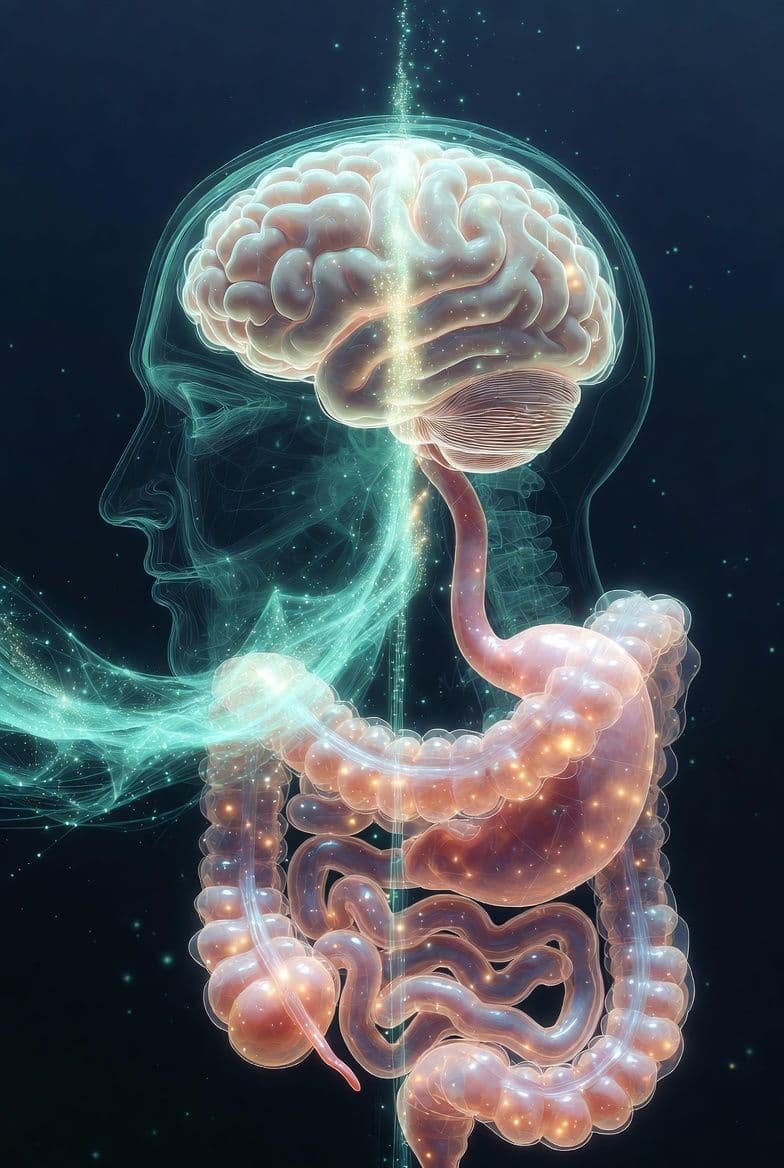
In the last two decades, findings in the fields of molecular biology and neurogastroenterology have led to fundamental shifts in traditional paradigms regarding human physiology. At the center of these changes lies the complex ecosystem colonizing the human gastrointestinal tract, consisting of trillions of microorganisms, namely the gut microbiota. It has been definitively proven that this microbial community, traditionally associated only with digestive and absorptive processes, establishes a bidirectional communication network with the central nervous system (CNS). Today, this biochemical pathway, referred to as the "gut-brain axis," plays a decisive role in an individual's mood, cognitive functions, and general mental health.
When examined from an anatomical and physiological perspective, it is observed that the gastrointestinal system possesses its own independent neural network. This structure, defined as the Enteric Nervous System (ENS), harbors approximately 100 to 500 million neurons and is rightfully referred to in medical literature as the "second brain" due to its structural complexity. The ENS maintains an uninterrupted exchange of data with the central brain in the cranium via neuroendocrine signaling pathways and the immune system, particularly through the nervus vagus (vagus nerve), which is the longest of the cranial nerves. The bacterial populations comprising the microbiota act as molecular signal generators in this communication network, thereby directly manipulating the quality of neural transmission.
Neurotransmitter Synthesis and Biochemical Pathways
The synthesis process of many neurotransmitters, which are of critical importance in maintaining mental health, takes place in the gastrointestinal tract rather than the brain, contrary to popular belief. For instance, approximately 90-95% of serotonin (5-HT), which plays a primary role in homeostasis, mood regulation, and anxiety control, is produced by enterochromaffin cells in the gut. Certain protective bacterial strains found in the gut microbiota, particularly Lactobacillus and Bifidobacterium species, regulate the bioavailability of precursor substances and amino acids that trigger this synthesis. Disruption of this microbial balance lowers the stimulation coefficient of serotonin receptors in the brain, paving the way for clinical depression and anxiety pathologies.
In addition to serotonin, gamma-aminobutyric acid (GABA), the primary inhibitory (calming) neurotransmitter of the central nervous system, can also be directly synthesized by gut bacteria. A healthy microbiota population ensures sufficient GABA production within the lumen, thereby suppressing the hypersensitivity of the hypothalamus-pituitary-adrenal (HPA) axis. The suppression of the HPA axis optimizes the organism's cortisol response to chronic stress, thus raising the individual's anxiety threshold and increasing psychological resilience. Conversely, in cases of dysbiosis, it has been observed that these transmission pathways are disrupted and neurodegenerative processes are accelerated.
Systemic Inflammation and Psychiatric Symptoms
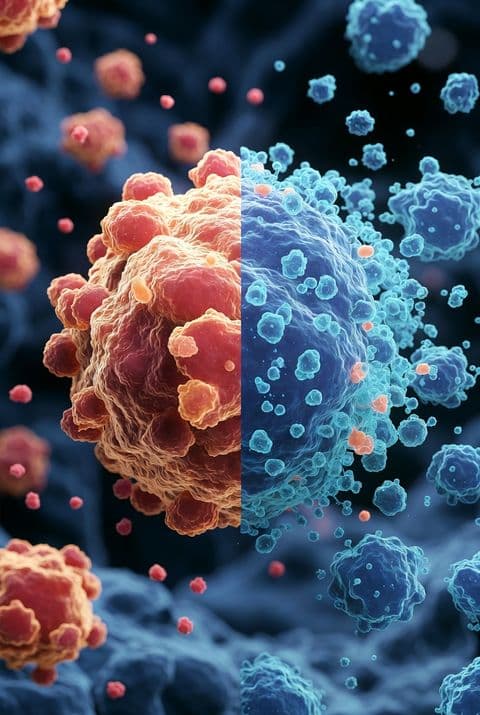
One of the most critical pathophysiological mechanisms of the gut-brain interaction is the immunological pathway. When gastrointestinal barrier integrity is compromised, endothelial loosening occurs, known medically as "Leaky Gut Syndrome." In this case, pro-inflammatory agents, such as lipopolysaccharides (LPS) found in the walls of gram-negative bacteria, leak into the systemic circulation. These endotoxins mixed into the blood activate the immune system, leading to the release of inflammatory cytokines such as IL-1β, IL-6, and TNF-α, and these cytokines cross the blood-brain barrier to trigger neuroinflammation.
Current psychiatric research reveals that chronic low-grade neuroinflammation is a major risk factor in the etiology of major diseases such as major depressive disorder, bipolar affective disorder, and schizophrenia. Inflammatory cytokines suppress brain-derived neurotrophic factor (BDNF) levels, which ensure brain plasticity and protect neuronal health. This microbiota-induced inflammation cycle slows down inter-synaptic communication, causing symptoms such as "brain fog," loss of concentration, anhedonia, and chronic lethargy to become chronic in patients.
Clinical Studies and the Concept of "Psychobiotics"
These strong mechanistic data have led to the emergence of a new therapeutic modality in psychiatry and gastroenterology clinics: Psychobiotics. Psychobiotics are defined as live microorganisms and prebiotics that, when ingested in appropriate doses, provide therapeutic benefits on mental health by optimizing the gut microbiota. In randomized, double-blind, placebo-controlled clinical trials, psychobiotic supplements containing specific strains (e.g., the combination of Lactobacillus helveticus R0052 and Bifidobacterium longum R0175) have been recorded to significantly reduce individuals' perceived stress levels and urinary cortisol levels.
Furthermore, animal models conducted on fecal microbiota transplantation (FMT) strikingly confirm this relationship. When fecal microbiota obtained from human patients diagnosed with depression was transferred to germ-free laboratory mice, it was observed that the mice began to display depressive behavioral patterns such as anhedonia and helplessness within a short period. This situation has proven to the medical world that the mental state is not merely composed of genetic or environmental psychosocial factors, but can be a direct reflection of the microbial ecology in the gut.
Microbiota-Oriented Therapeutic and Nutritional Approaches to Protecting Mental Health
In addition to clinical approaches, the modification of daily dietary habits is the most sustainable way to optimize microbiota composition and, consequently, mental health. A dietary plan rich in dietary fibers, polyphenols, omega-3 fatty acids, and fermented foods (kefir, homemade yogurt, sauerkraut), such as the Mediterranean diet model, increases the production of short-chain fatty acids (SCFAs; acetate, propionate, and butyrate) in the gut. Particularly, butyrate is the primary energy source of colonocytes, strengthening the intestinal barrier and exhibiting neuroprotective effects by stimulating BDNF expression in the brain.
In conclusion, the gastrointestinal ecosystem must definitely be evaluated in the prevention and treatment of neurological and psychiatric health, alongside conventional methods. The medicine of the future will utilize personalized microbiota profiling analyses and targeted probiotic protocols much more intensively in the diagnosis and follow-up of psychiatric diseases. This evidence of the "we are what we eat" philosophy at the cellular and molecular level clearly demonstrates that approaching mental health holistically and healing the gut first to protect the brain is a medical necessity.